Chengdu’s Largest Distributed PV Plant Begins Operation, Generating Over 20,000 kWh Daily
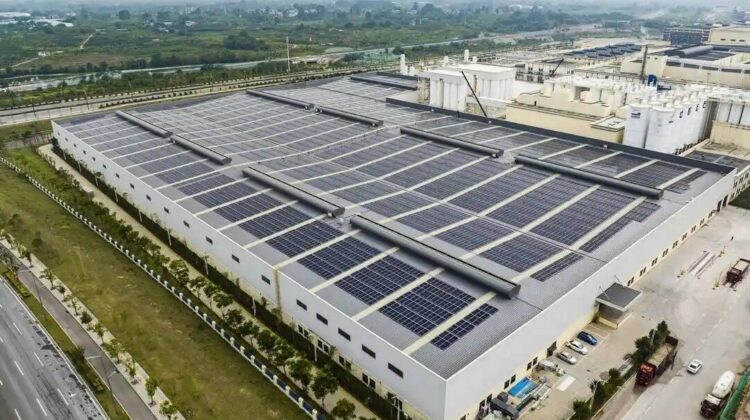
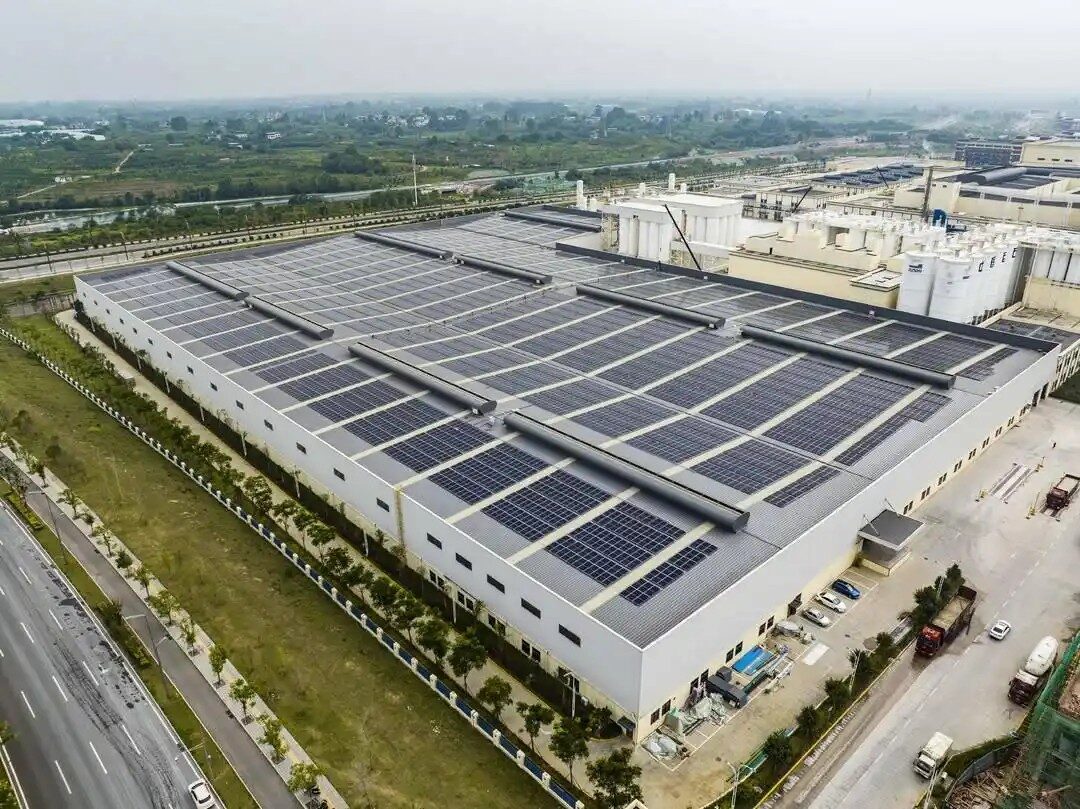
On July 20, the 11.6 MW Chengdu Jushi Distributed PV Project in Qingbaijiang District officially began operation, becoming Chengdu’s largest single-site distributed photovoltaic power station by installed capacity.
When did the project begin construction, and what benefits does it bring to corporate electricity consumption? Cover News contacted Chengdu Jushi staff to learn more.
“The project started construction in December 2022 and began generating power in July this year. It includes 21,318 rooftop PV modules covering about 60,000 square meters, two prefabricated substations, four box-type transformers, and 38 string inverters,” a staff member said. Phase I adopts a self-generation and self-consumption model, with surplus electricity fed into the grid, with a total investment of approximately RMB 50 million.
According to Chengdu Jushi, the project has an installed capacity of 11.6 MW, making it one of the largest distributed PV projects in Chengdu. Due to the relatively limited solar resources in the Sichuan Basin and the previously high cost of PV modules, many companies had been cautious about investing in solar power.
With the continued implementation of China’s carbon peaking and carbon neutrality goals and advances in photovoltaic technology, demand for green electricity has increased. Chengdu Jushi therefore developed the project to reduce its reliance on grid electricity and improve the use of clean energy.
During the daytime, solar power can reduce the consumption of hydropower and thermal power, leaving more grid electricity available for other users. The project is expected to generate approximately 8.918 million kWh annually, saving about 2,688.64 tonnes of standard coal each year and reducing emissions by approximately 7,445.3 tonnes of CO₂ and 900.7 kg of SO₂.